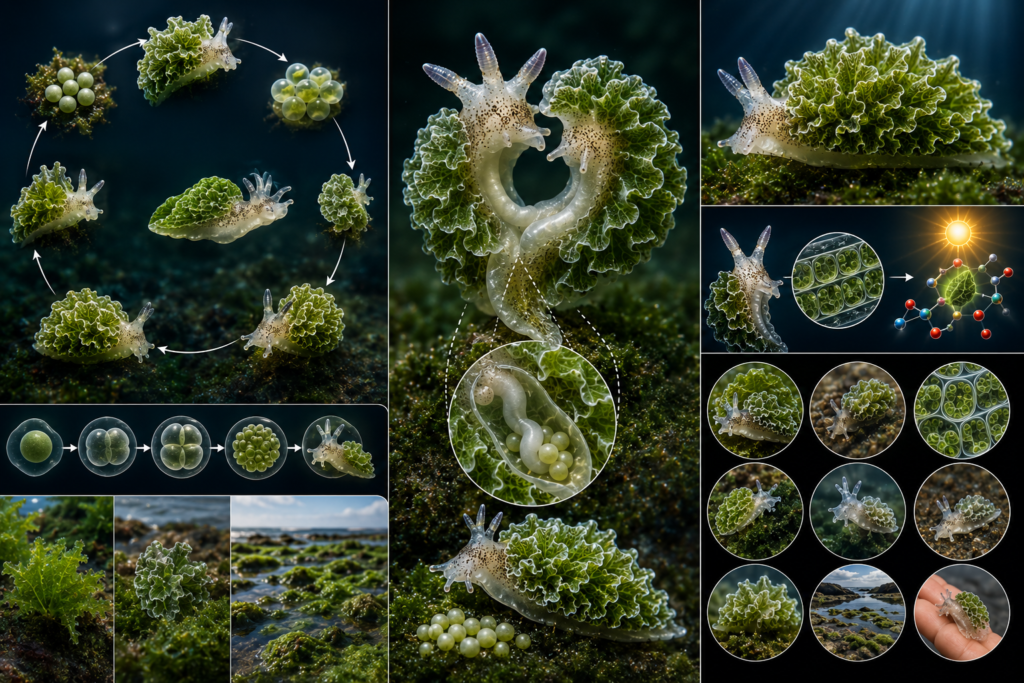
The sea sheep scientifically recognized as Costasiella kuroshimae is among the most amazing sea creatures found in warm marine environment although it is less than one centimeter long in length this small sea slug has earned attentions of marine biologists marine photographers and ocean lovers around.
the world it popular name “sea sheep” or “leaf sheep” comes from its charming appearance which looks like a small sheep feeding in a lush green meadow with a black eyes white body and leaf-like structures on its back it is known as one of the most adorable ocean creatures ever found.
Unlike most sea slugs the is a member of marine animals and sacolossans,
these sea slug have developed and remarkable survival strategy that make them unique from other animals they feed mostly on certain type of green algae and possess the amazing ability to steal chloroplasts—the small structures accountable for photosynthesis in plants instead of breaking down these chloroplast entirely the sea sheep keep them inside its own body they proceed to function for several days or even weeks.
This amazing process is called kleptoplasty, meaning “stolen plastids.” Due to kleptoplasty, sea sheep can create some of their energy from sunlight, allowing them to become one of the very few animals able to perform a plant-like function even though they can not survive just on sunlight. This extraordinary adaptation helps them store energy when food is limited.
Mostly found in shallow coastal waters, where algae develop their small size, making them challenging to see even for skilled divers. They spend most of their time moving slowly across algae-covered surfaces, eating and concealing themselves from predators. Their vivid green color provides outstanding camouflage, blending seamlessly with the surrounding vegetation and making them nearly invisible in the wild.
Regardless of their soft appearance, sea sheep have evolved highly specialized biological adaptations that enable them to flourish in environments where many other tiny marine creatures struggle to survive. Their combination of camouflage beauty and solar-powered capabilities has made them one of the most well-studied species surrounded by sacoglossan sea slugs.
Sea Sheep Habitats, Diet, and Amazing Solar-Powered Ability
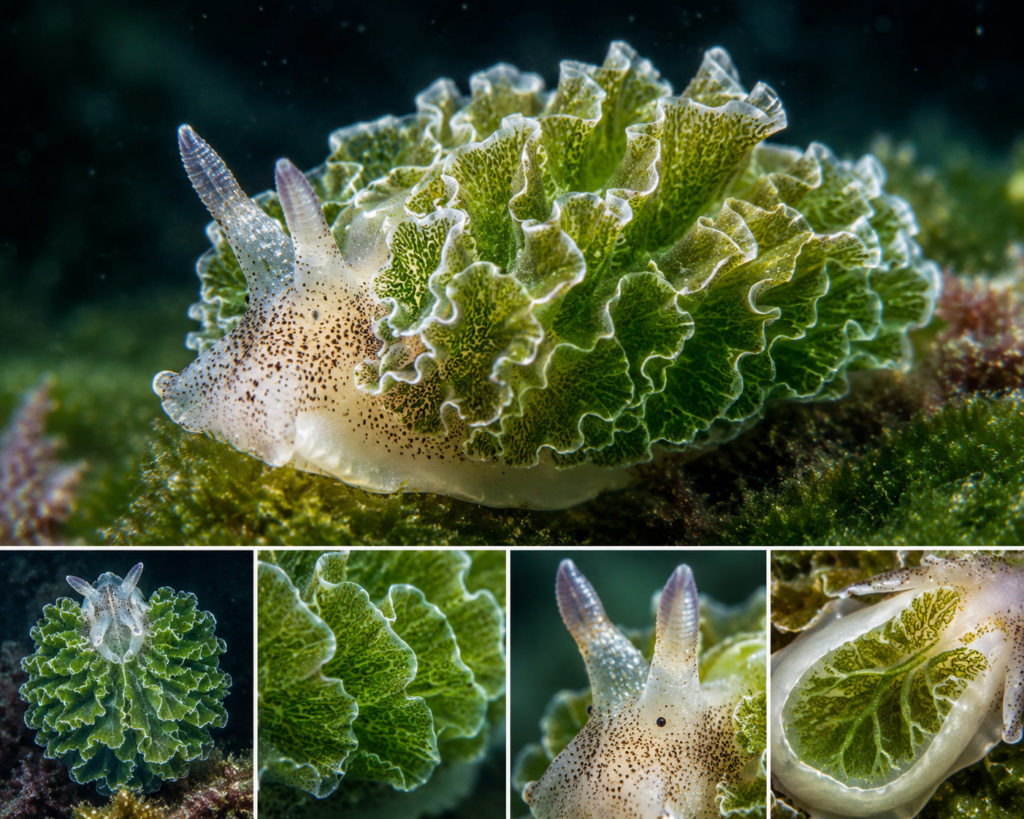
The diet of sea sheep is more varied than that of many marine animals, which eat a variety of food. Sea sheep mainly feed on certain species of green algae. Using their unique mouthparts, they break into algae and extract cellular contents without fully damaging the chloroplasts inside.
After these chloroplasts move into the sea sheep’s body, they are carried into the cerata on its back. Here, they keep working for days and sometimes weeks, helping the sea sheep to convert sunlight into useful energy. This amazing biological process is called kleptoplasty, meaning “stolen plastids”
Although sea sheep cannot survive only on sunlight, photosynthesis helps save energy when food becomes limited. Very few creatures have this remarkable ability, making sea sheep a significant subject for scientific investigation. Scientists keep researching how these chloroplasts stay active inside an animal’s cells for a long time.
Sea sheep choose shallow coastal habitats full of algae because both food and sunlight are easily found there. These environments involve coral reef tidal pools, seagrass beds, and rocky shores. Still,clear water helps sunlight to enter easily, promoting healthy algae growth and making perfect living conditions.
The green coloration of the leaf sheep is another amazing development; its body merges completely with the environment algae making it very hard for predators to discover. This organic camouflage greatly increases its possibilities for survival, despite its small size.
Because sea sheep rely on healthy algae groups, climate changes such as pollution, environmental change, and habitat damage create important threats to their survival. Increasing sea temperatures and decreasing water quality can decrease algae development, directly impacting sea sheep populations.
Researchers think about sea sheep as a great example of how marine species are linked to their ecosystems. Defending coastal habitats supports not only sea sheep but also numerous other marine creatures that depend on the same environment.
Sea Sheep Life Cycle, Reproduction, and Interesting Facts
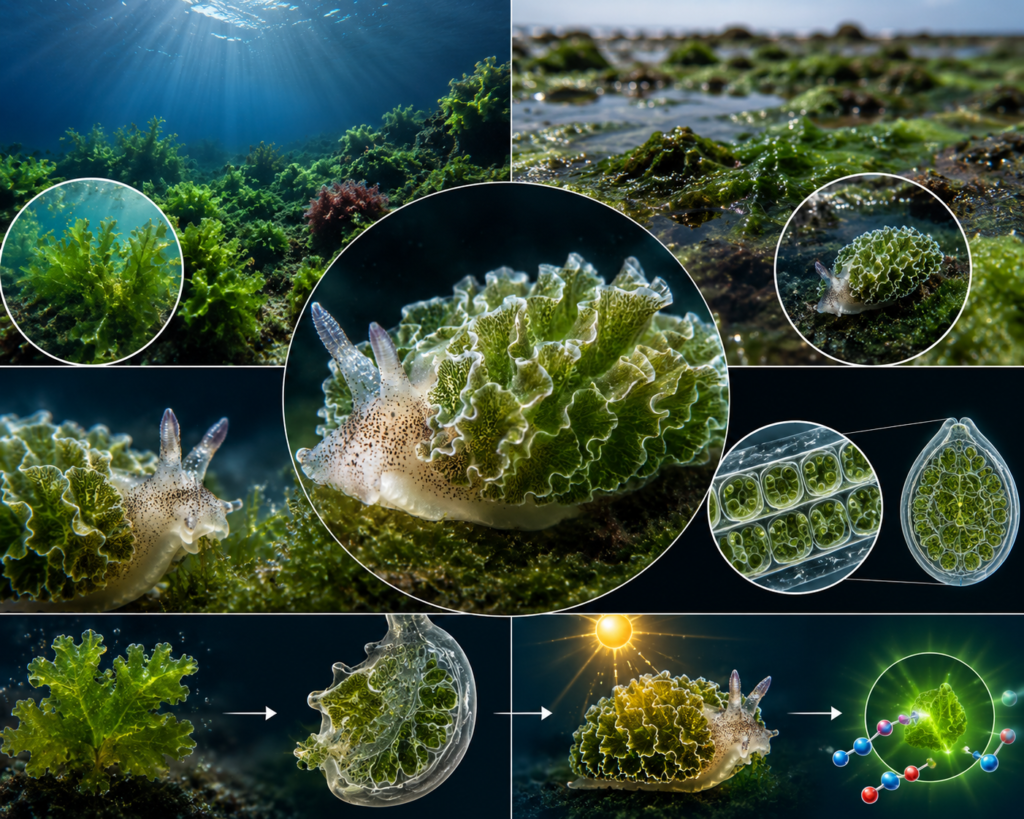
The sea sheep scientifically called Costasiella kuroshimae is one of the most remarkable and cute marine creatures located in tropical and subtropical oceans although having a length of just 5 to 10 millimetres long this small sea slug has inspired around the world interest because of its sheep-like appearance and its outstanding ability to conduct a plant-like function filled with lead-sheeped features known as cerata the sea sheep looks like a small green sheep feeding underwater Although its appearance makes up only a portion of what sets this apart is amazing animal so unique its life cycle reproductive behavior and remarkable adaptations helping it become one of the most fascinating sea slugs in the ocean.
Like most sea slugs the sea sheep develop from an egg once mating is complete adults lay small clusters of clear eggs across the surface of algae or other marine surface vegetation these egg clusters are attentively fixed to keep them safe from ocean currents and predators according to water temperature and ecological conditions the eggs commonly emerge after a few days or up to several weeks the newly emerged sea sheep does not look like the adult rather than its start life as a small ocean-drifting larvae that moves with the current while eating on microscopic plankton this early life stage enables the young sea sheep to extend across various regions before finding a suitable habitat.
As the larva grows it goes through metamorphosis and takes hold on algae-covered surfaces at this phase it begins eating on particular species of green algae mainly those associated with the genus Avrainvillea while feeding algae the sea sheep conducts one of the most amazing biological stages found in the animal life it takes in chloroplasts from the algae without processing them fully and stores these living chloroplasts inside its body this process is known as kleptoplasty allows the sea sheep to take sunlight and create a portion of its own energy through photosynthesis while its still depends on algae for nutrition and fails to survive on sunlight on its own this adaptation supports it preserve energy when food becomes limited.
Sea sheep are organisms with both reproductive organs Although they possess dual reproductive system they are unable to fertilize on their own and still need a partner to reproduce At the time of mating two sea sheep exchange sperms cells enabling both living being to fertilize their eggs this process grow biological diversity creating future next generation stronger and improved adaptation to environmental changes after fertilization process each sea sheep puts delicate ribbons or eggs clusters on algae and the life cycle starts once again.
One of the most fascinating truth about the sea sheep is its amazing camouflage its vivid green color goes straight from the chloroplast kept inside the body helping it blend nearly ideally with surrounding algae this natural camouflage assists in protection it from predators such as fish and tiny crustaceans another amazing fact is very tiny size most adults smaller than a human fingernail However, they process one of the most Highly evolved symbiotic connections between animals and plants cells ever found.
The sea sheep is also called a solar-powered sea slug because of its capability to utilize sunlight for extra energy. Only a few animals have engaged this amazing ability, making it a significant subject for scientific study. Marine biologists keep studying its amazing biology to better figure out photosynthesis, symbiosis, and cellular adaptation. Scientists think that learning how sea sheep keep functional chloroplasts may provide future discoveries in biotechnology and Sustainable energy.
It is unfortunate that sea sheep groups deal with several environmental risks declining water quality pollution habitat destruction and Changes in Earth’s climate system can decrease the production of the algae they rely on for food and photosynthesis since these small creatures Rely on specific food sources and habitats even tiny environmental changes can Greatly impact their survival Defending strongly marine ecosystem is important for preserving this outstanding species the sea sheep Brings to mind even a very small ocean organisms be important in keeping biodiversity and show the amazing creativity of nature.