The oceans of the world are home to numerous interesting creatures many of which are still under discovered to the majority of people from these amazing marine animals are ocean slugs a variety of soft-bodied creatures that show beautiful colors unusual shapes and amazing survival adaptations although they seem simple at first sight ocean slugs are one of the most amazing animals found under the waves their unusual characteristics have attracted the attention of marine biologists under the sea photographers and nature lovers global.
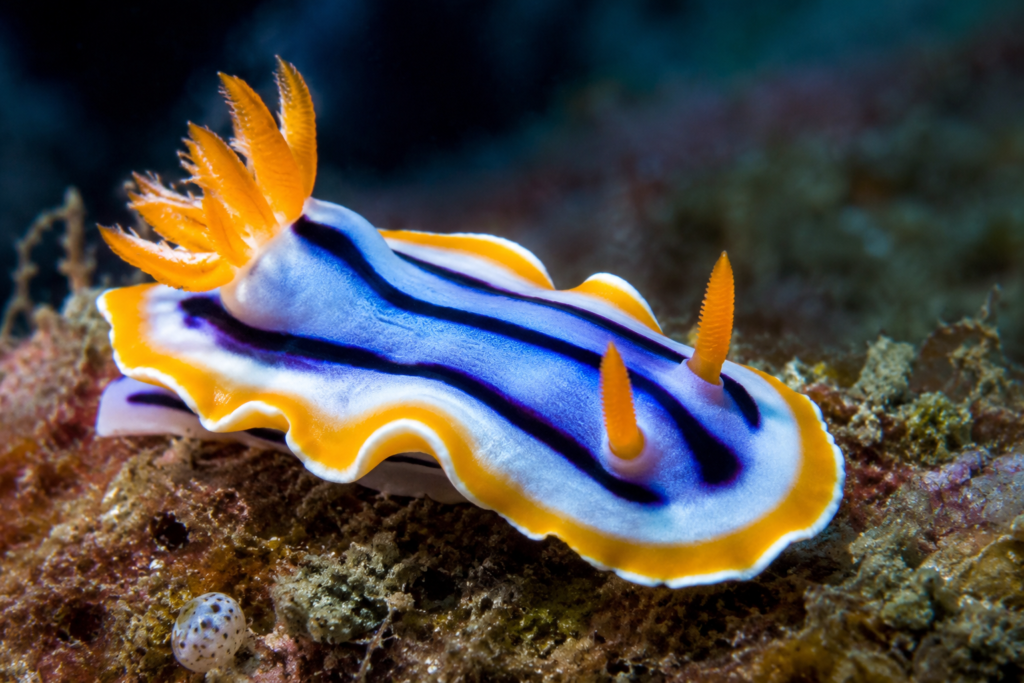
What Are Ocean Slugs?
Ocean slugs, also called sea slugs, are marine gastropod mollusks that are part of a larger group of animals connected to snails. Unlike most snail relatives, most ocean slugs lack a shell completely or possess only a tiny internal shell. This lack of a defensive shell has led them to create a variety of interesting defense mechanisms that help them survive in the marine environment.
There are thousands of known species of ocean slugs, differing in size from only a few millimeters to over a foot in length. They live in the oceans around the world, from warm tropical coral reefs to deep-ocean habitats. Their amazing diversity makes them one of the most fascinating groups of marine life.
A Wide Range of Colors
One of the most remarkable features of ocean slugs is their bright colors. Many species show shining shades of yellow, purple, blue, red, and green. These vibrant colors often play an important role, more than just beauty.
In some species, vivid coloration acts as an alert signal to predators. This phenomenon, called aposematic coloration, advises potential aggressors that the slug may be harmful and uncomfortable to eat. Other species use their color to merge with coral reefs, algae, or sponges, allowing them to avoid detection.
The remarkable appearance of ocean slugs has made them famous subjects for marine photography; their complex patterns and shining colors often resemble a work of art crafted by nature itself.
Remarkable Body Structures
Ocean slugs possess a range of unusual body structures that distinguish them from other ocean creatures. Many nudibranchs, a well-known type of sea slug, have branched gills located on their backs. These structures enable them to extract oxygen from seawater successfully.
Some species own finger-like appendages known as cerata, which perform multiple functions; cerata can help in digestion, defense, and respiration in some species. These appendages retain stinging cells gained from prey like jellyfish and hybrids, and ocean slugs use these stinging cells to obtain protection against predators.
Their soft and flexible bodies allow them to move through small spaces among rocks, coral formations, and ocean vegetation. This flexibility allows them to reside in habitats that might be hard to reach for larger marine creatures.
Remarkable Feeding Habits
Ocean slugs display a variety of feeding habits. Different species focus on consuming certain kinds of prey, including algae, sponges, hydroids, anemones, coral polyps, and all other sea slugs.
Many ocean slugs use a specific eating structure known as a radula. This ribbon-like organ, a particular row of small teeth, scrapes away food from surfaces or tears into prey. The radula is one of the main features that support these animals’ use of a range of food sources.
Some species have included highly specific diets that permit them to consume toxic or otherwise distasteful organisms. These dietary adaptations decline in the face of challenge from other marine animals and give access to food sources not obtainable to most species.
The Solar-Powered Sea Slug
Among the most amazing ocean slugs is the solar-powered sea slug. This remarkable creature has improved the ability to capture energy from sunlight using a similar method to photosynthesis.
The species Elysia chlorotica utilizes algae and keeps algae’s chloroplasts inside its own tissues. These chloroplasts keep working inside the slug’s body, generating energy from sunlight, and the slug can live for long periods with little or without extra food.
The phenomenon called kleptoplasty is one of the most extraordinary biological adaptations present in the animal kingdom. It has gained major scientific interest because it redefines the traditional limit difference between plant and animal life.
Mental Protection Methods
Shell-less ocean slugs can also depend on different defense mechanisms to stay away from predators. Many species gain toxic chemicals from the organisms they eat and retain these substances inside their tissues; these toxic make them unattractive or unsafe to potential predators.
Some sea slugs can also be capable of recycling stinging cells from their prey after eating organisms such as hydroids. They carry the stinging cells to specific structures inside their bodies. When threatened, these cells can be utilized as a strong defence.
Camouflage gives another important way of survival to some species that closely resemble algae, coral, or sponges where they live. This amazing mimicry lets them stay hidden from predators while looking for food.
Growth and Life Cycle
Ocean slugs are both male and female individuals However, most species still need a partner for production. This adaptation increases opportunities for successful reproduction in nature, where meeting with other organisms may be infrequent.
Once mating is complete, ocean slugs lay eggs in gelatinous ribbons, spirals, or clusters attached to rocks, coral, or ocean vegetation. These eggs create a mess, showing beautiful shapes and colors.
These eggs develop into free-swimming larvae that travel with the ocean currents before settling on the seafloor. As they grow, the young slugs develop the qualities and eating habits of adults.
Role in the Marine Ecosystem
Once, slugs play a key role in keeping the marine ecosystem healthy by eating algae, sponges, and other creatures, they help to control population levels and support ecological balance.
Their particular diets can influence the formation of coral reef communities and other marine habitats. In return, ocean slugs serve as prey for specific fish, crustaceans, and other marine predators, making them valuable components of the ocean food web.
Researchers also study ocean slugs because some species create unique chemicals substances with possible healthcare applications. These substances may support further research in areas such as cancer treatment, pain management, and antimicrobial development.
Summary
Ocean slugs are amazing marine creatures that highlight the beauty and diversity of life beneath the sea their bright colors remarkable body structures specialized eating habits and amazing defense mechanisms make them some of the most interesting animal in the ocean although they often go hidden ocean slugs play a key ecological roles and continue to motivate scientists with their amazing adaptations as we learn more about these remarkable creatures it becoming more important to protect the marine environments they call home.