What Are Leaf Sheep Facts?
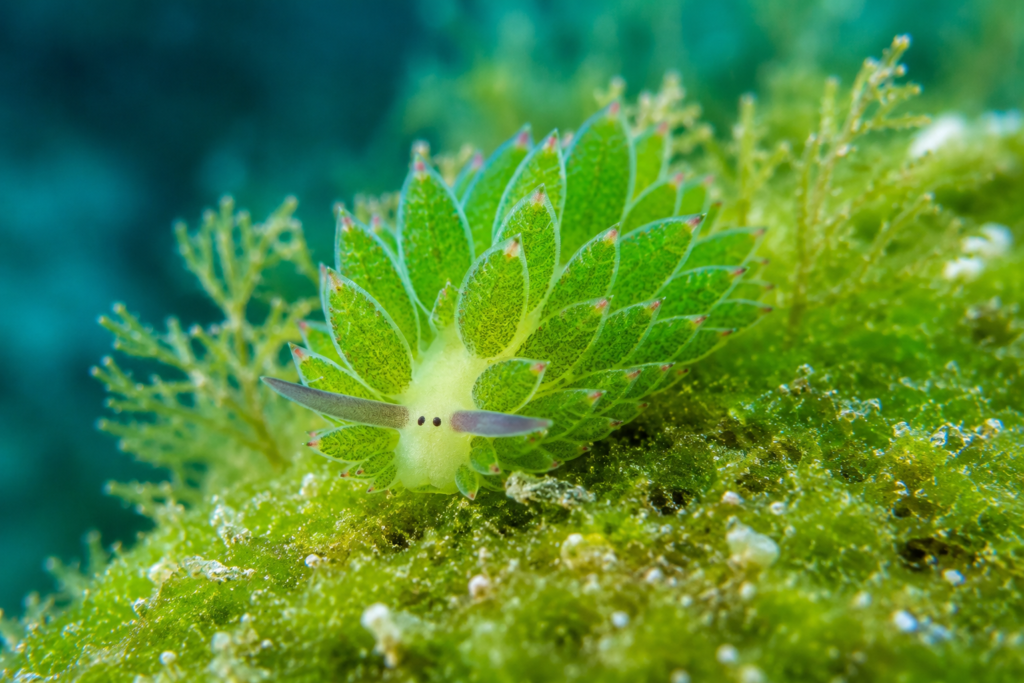
Leaf sheep facts fascinate both marine experts and ocean enthusiasts because this tiny sea slug is different from nearly every other sea creature. The species known as Costasiella kuroshimae is better recognized as the leaf sheep and is a member of the sacoglossan marine mollusk group. While it may look like a tiny leaf or a miniature sheep, it is, in fact, a living sea slug that never leaves the ocean.
Its fascinating appearance is one of the key reasons the leaf sheep has attracted so much interest. The green body is lined with delicate leaf-shaped projections, and the dark features on its head make it resemble a tiny sheep. This unique combination gives it a charming appearance, making it one of the world’s most photographed sea slugs.
While many ocean animals escape danger with speed or strength, the leaf sheep depends on camouflage, selective feeding habits, and specialized adaptations. Marine researchers continue examining this remarkable species to understand the strategies it uses to survive in the ocean.
Its popularity has increased thanks to social media and underwater photography, but the leaf sheep continues to puzzle scientists and nature enthusiasts alike. Scientists continue to explore its everyday behavior, as its tiny body and concealed habitat make close observation difficult.
Leaf Sheep Facts About Their Habitat
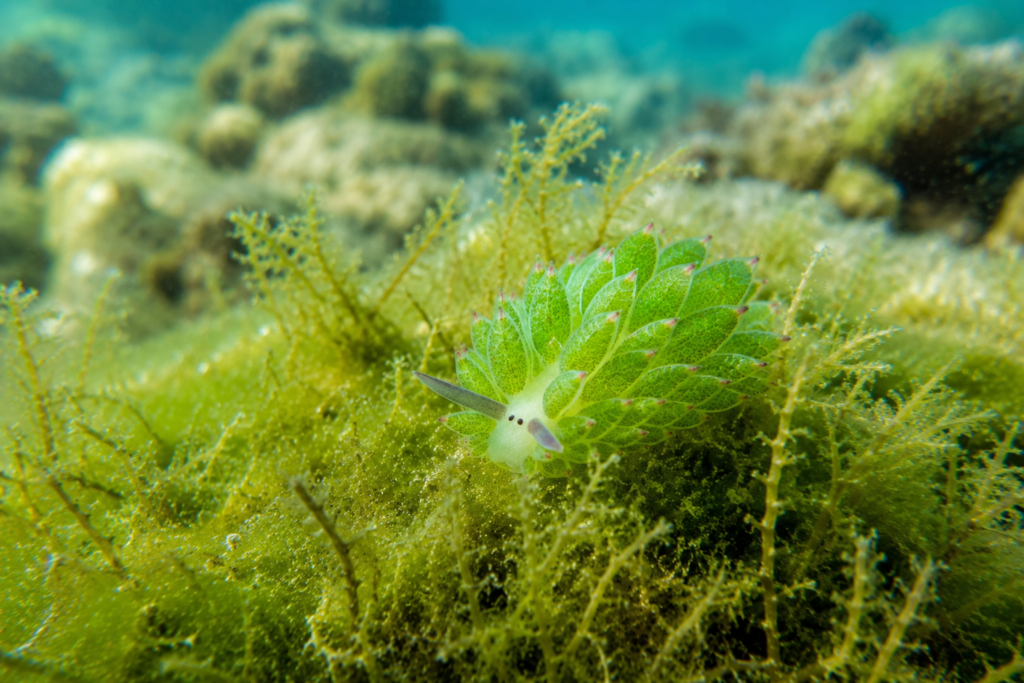
One of the standout leaf sheep facts is the choice of habitat for these tiny ocean creatures. These creatures are typically seen in warm coastal waters where green algae grow in great abundance. These algae support the leaf sheep by providing food and offering a secure habitat.
Leaf sheep have been observed by marine researchers in countries such as Japan, Indonesia, and the Philippines. Rich marine vegetation and calm, shallow coastal waters make these areas an ideal home for this fascinating sea slug.
The leaf sheep lives close to the seafloor, slowly crawling across algae-covered rocks, seagrass beds, and pieces of coral instead of swimming freely. By living in these habitats, the leaf sheep can avoid predators while feeding conveniently on its favorite food.
The leaf sheep is so tiny that a single patch of algae provides all the space it needs to live. Its small body helps it reach tiny underwater areas where larger marine creatures cannot go.
Leaf Sheep Facts About Their Physical Appearance
The leaf sheep’s extraordinary appearance is one of the most memorable facts about this tiny sea slug. Adult leaf sheep are tiny creatures, usually measuring around 5 to 10 millimeters from end to end. Because their bodies are bright green, soft, and flexible, they can easily disappear into algae-covered environments.
Its most distinctive feature is the row of small finger-like projections spread across its back. Scientists refer to these structures as cerata. These cerata serve two purposes: they help the leaf sheep resemble a tiny plant and store chloroplasts collected from algae.
Two sensory organs known as rhinophores are located at the front of the leaf sheep’s body. The rhinophores identify chemical cues in the water, guiding the leaf sheep toward food and helping it explore its environment. Its common name comes from the rhinophores, which many people believe resemble the ears of a tiny sheep.
Its gentle appearance hides the fact that the leaf sheep is specially equipped for life on the seabed. The leaf sheep can crawl comfortably over algae thanks to its flat underside, which supports its feeding activities.
Its striking green coloration is designed for more than just visual appeal. The leaf sheep uses this coloration to camouflage with nearby marine plants, making it more difficult for predators to find.
Leaf Sheep Facts About Their Diet
Its feeding behavior is quite different from that of typical sea slugs. Rather than feeding on numerous marine life forms, It has a specialized diet that consists of only certain kinds of green algae.
The leaf sheep feeds with a radula that gently penetrates algae cells, allowing it to collect their internal contents. This unique feeding behavior not only provides food but also allows the leaf sheep to acquire chloroplasts.
The leaf sheep does not spend the entire day feeding. The leaf sheep carefully explores algae-covered areas and feeds gradually whenever suitable algae are found. Moving gradually through its habitat helps the leaf sheep maintain energy levels and limit predator exposure.
Scientists think that its highly selective diet restricts the leaf sheep to habitats where its preferred algae are present. These algae are essential because, without them, the leaf sheep would face difficulties finding adequate nutrition.
Unlike larger sea creatures that rely on hunting to find food, rather than hunting, it depends on slow movements and patience to obtain its food.
How Does a Leaf Sheep Use Photosynthesis?
The leaf sheep is best known for one incredible feature: its unique relationship with sunlight. The leaf sheep does not perform true photosynthesis, but it has evolved an unusual ability that is extremely uncommon in the animal world.
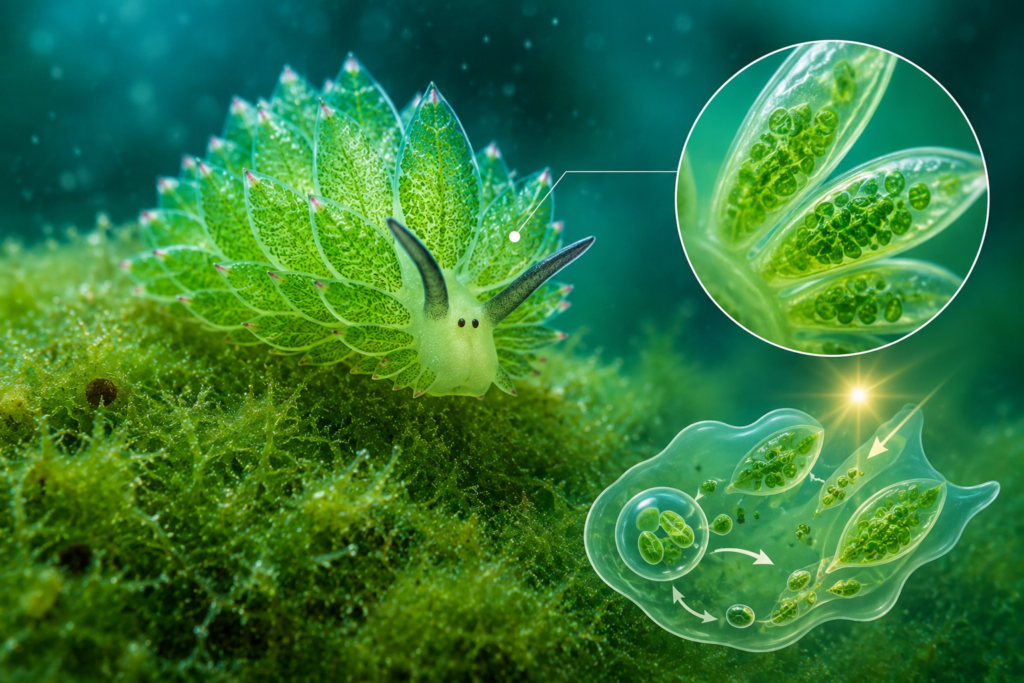
The leaf sheep absorbs chloroplasts from algae and retains them inside cells found in its cerata. The small structures called chloroplasts allow plants to absorb and use sunlight.
The scientific name for this behavior is kleptoplasty, which means “stolen chloroplasts.” After consuming algae, the leaf sheep keeps some chloroplasts alive inside its tissues rather than digesting them immediately.
Even inside the leaf sheep’s body, these chloroplasts can continue using sunlight and may provide extra energy resources. While it cannot fully substitute for regular feeding, this energy may help the leaf sheep endure times of reduced food availability.
This extraordinary survival strategy has attracted attention from scientists across the globe, as such chloroplast use is rarely found in the animal kingdom. Studies on the leaf sheep continue as scientists investigate how kleptoplasty functions and how it benefits the species.
Because of this remarkable ability, the leaf sheep is considered one of the most biologically fascinating sea slugs ever discovered.
Leaf Sheep Facts About Their Life Cycle
Scientists are still discovering details about the leaf sheep’s life cycle because these miniature sea slugs are challenging to observe in the wild. Researchers have still managed to find valuable information about how these sea slugs reproduce and develop over time.
Leaf sheep share a common trait with many sea slugs: each individual has both male and female reproductive organs. This feature is common among marine mollusks because the chances of encountering a mate in the open ocean can be limited.
During mating, both individuals share reproductive material to begin the reproduction process.After mating, the eggs are released into a jelly-like ribbon formation that remains attached to suitable underwater surfaces.
After emerging from their eggs, the larvae begin their early growth stages while living in the ocean.As they progress through development, leaf sheep slowly form the special features that make adult specimens easy to identify.
Leaf sheep require specific environmental conditions for proper growth, especially access to their preferred algae. Since they feed on particular algae species, young leaf sheep require the right food sources for successful survival.
Because many small sea slugs have short life cycles, their populations can change based on habitat conditions, food supply, and ocean environments.
Leaf Sheep Facts About Their Survival and Defense
This tiny sea slug survives through intelligent biological adaptations rather than powerful physical features. Instead of relying on strength or armor, the leaf sheep uses camouflage and careful movements to avoid predators.
Its bright green body helps the leaf sheep camouflage itself among algae and underwater vegetation. Remaining motionless enhances the leaf sheep’s camouflage and makes it harder for predators to find.
Its unique leaf-like structures strengthen its camouflage, allowing the leaf sheep to appear like part of the surrounding plants. Its plant-like appearance acts as a defense, helping the leaf sheep avoid becoming. The leaf sheep may appear vulnerable, but its unique biology, feeding habits, and ability to hide allow it to survive effectively underwater.ng prey for other animals.
One more useful adaptation of the leaf sheep is its gentle and unhurried movement. Many marine creatures escape predators through speed, but the leaf sheep uses concealment as its main defense.
The leaf sheep’s tiny body provides it with a useful advantage in the ocean. Among dense algae growth, this tiny sea slug can remain unnoticed by much larger animals looking for food.
Leaf Sheep Facts About Their Role in Marine Ecosystems
Although the leaf sheep is very small, it has a meaningful place within the ocean ecosystem. The health of ocean ecosystems relies on countless species, with small animals like sea slugs playing an important role in food relationships underwater.
The leaf sheep helps maintain its habitat by eating algae and limiting its overgrowth. Leaf sheep influence their ecosystem by reducing algae growth through their regular feeding activities.
The leaf sheep has an important place in the food chain as one of the many organisms supporting marine ecosystems. Their ability to blend into the environment helps them avoid danger, but some small ocean animals may still prey on them.
The dependence of leaf sheep on healthy algae areas means they may provide clues about local ocean conditions. Marine areas with diverse ecosystems and plenty of suitable algae offer ideal conditions for species such as Costasiella kuroshimae.
Small species like leaf sheep provide valuable insights into the complexity of marine environments and the need for ocean conservation.
Leaf Sheep Facts That Most People Don’t Know
Here are some amazing leaf sheep facts that many people do not know about:
1. Leaf Sheep Are Real Animals
Their adorable, animated appearance often makes people think leaf sheep exist only in cartoons or stories. Although they may look imaginary, leaf sheep are real animals discovered in the ocean.
2. Their Scientific Name Is Costasiella kuroshimae
The scientific name provides a precise way for scientists to identify this unique species among countless other sea slugs.
3. They Are Smaller Than Most People Imagine
The leaf sheep’s miniature size makes it difficult to find in its natural habitat unless researchers use underwater cameras and equipment.
4. They Are Not Plants
Despite their leaf-like green appearance, these creatures are not plants but members of the mollusk group.
5. They Cannot Live on Land
Leaf sheep depend entirely on marine conditions and are unable to live in terrestrial environments like common slugs.
6. They Have a Unique Relationship With Algae
The retention of algae-derived chloroplasts is one of the most unique features found in certain marine animals.
7. Their Cute Appearance Has Made Them Famous
Because of their rare and attractive look, leaf sheep have become a favorite subject for many ocean photographers.
8. They Are Difficult to Study
Because of their tiny size and specific habitat requirements, researchers still have many questions about their behavior.
9. They Prefer Warm Waters
These tiny sea slugs usually live in tropical marine habitats with abundant algae growth.
10. They Are Among the Most Unique Sea Slugs
The ocean is home to countless species, but very few have survival features as unique as the leaf sheep.
Is a leaf sheep a real animal?
Yes, the leaf sheep is a real ocean-dwelling animal, not a fictional creature. Scientifically called Costasiella kuroshimae, the leaf sheep is a small marine slug with an appearance that resembles a plant or fictional character, yet it is a genuine ocean animal.
Where do leaf sheep live?
These marine creatures are commonly found in warm waters throughout the Indo-Pacific area. Leaf sheep are frequently found in areas where algae grow around coral reefs and near coastal waters.
What does a leaf sheep eat?
Leaf sheep primarily feed on green algae as their main source of food. Leaf sheep absorb algae chloroplasts while eating and keep these tiny structures inside their bodies using a process called kleptoplasty.
Can leaf sheep be kept as pets?
A leaf sheep is a difficult animal to keep in captivity because of its unique lifestyle and strict environmental requirements. They require specific marine conditions, suitable algae food sources, and expert care. They are best appreciated in their natural ocean environment.
How big does a leaf sheep grow?
Most leaf sheep are tiny creatures, with adults usually growing to only about 5 to 10 millimeters long. Their extremely small size is one of the main reasons they are difficult to spot and study.
Do leaf sheep produce their own food?
No, leaf sheep cannot make their own food as plants do. Leaf sheep are true animals that eat algae, although stored chloroplasts help them gain a small amount of energy from sunlight.