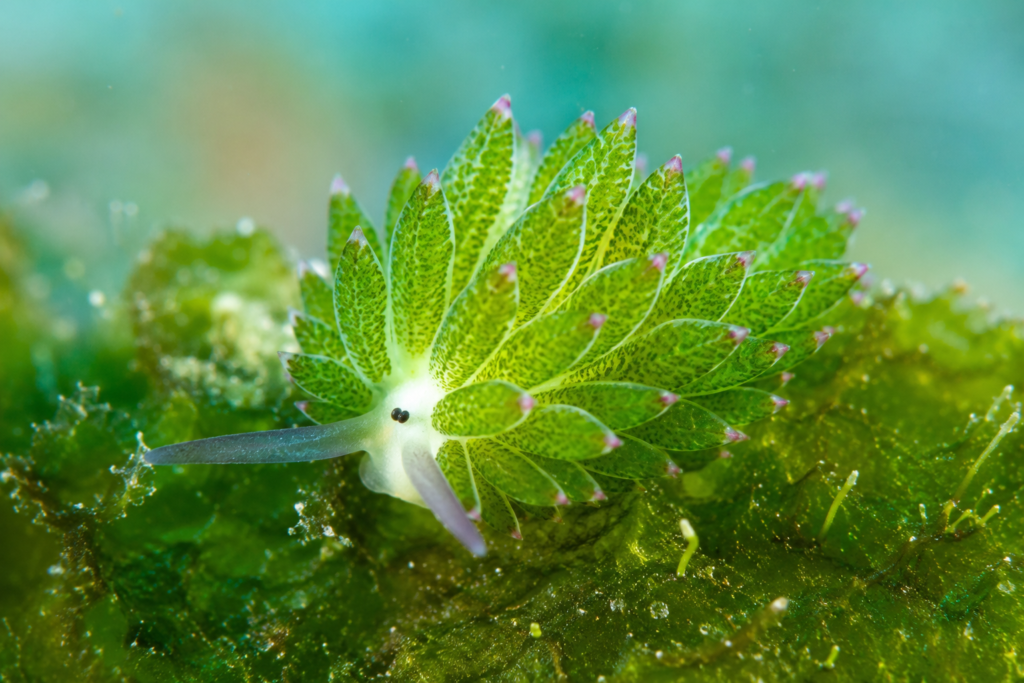
Leaf sheep habitats are commonly found in warm, shallow coastal environments throughout the Indo-Pacific. Leaf sheep inhabit shallow marine environments with plentiful algae, such as reefs, rocky coastlines, and seagrass areas. The survival of leaf sheep relies on habitats that provide adequate food, protection, and sunlight.
What Are Leaf Sheep Habitats?
Leaf sheep habitats are ocean environments that provide a natural home for Costasiella kuroshimae. These marine habitats support algae that are vital to the sea slug’s diet and survival.
The typical body length of a leaf sheep ranges from 5 to 10 millimeters. Their small bodies make it important for them to live near algae-filled habitats.
Unlike numerous marine creatures, leaf sheep usually stay near their home habitat. These tiny sea slugs spend the majority of their time on algae-rich surfaces.
Experts agree that maintaining healthy habitats is crucial for this species. The loss of algae often results in a quick decrease in leaf sheep numbers.
Where Are Leaf Sheep Habitats Found?
Leaf sheep habitats are mainly found in the warm waters of the Indo-Pacific Ocean where warm coastal waters and shallow marine habitats suit them best.
Japan
One of the best-known habitats for leaf sheep is located in southern Japan. This location provides favorable conditions with warm waters and an ample supply of algae.
Indonesia
Many different algae species thrive on Indonesia’s coral reefs.Leaf sheep find both algae to eat and protection within these reefs.
The Philippines
The Philippines offers suitable natural habitats for leaf sheep. Divers commonly encounter leaf sheep resting on patches of green algae attached to rocks and coral.
Other Indo-Pacific Areas
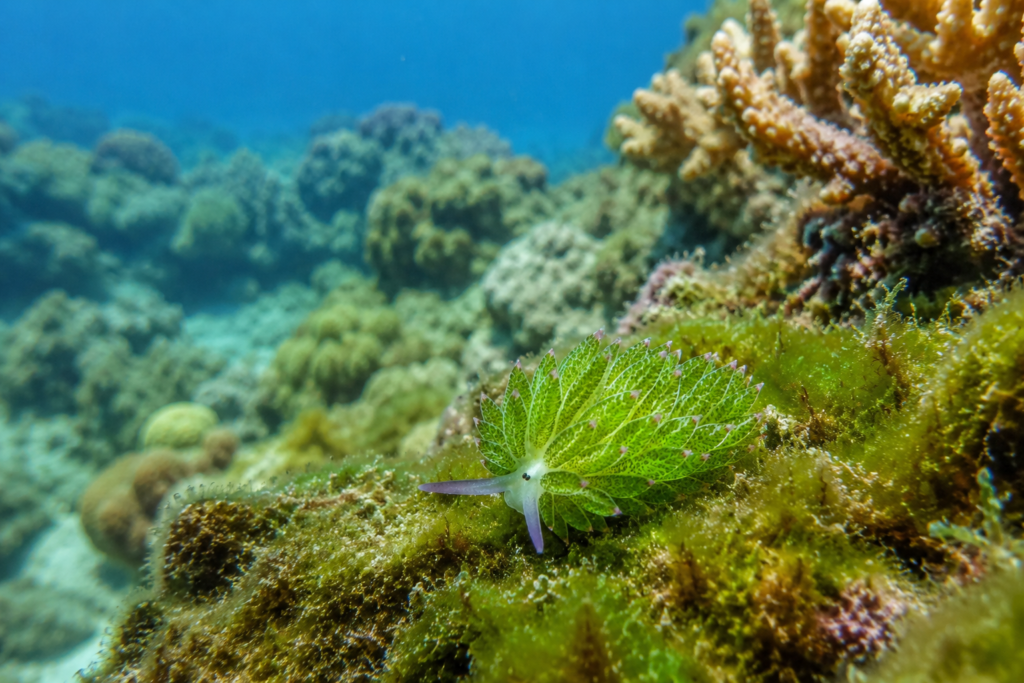
Scientists have documented leaf sheep in surrounding tropical regions. Experts suggest that leaf sheep may have a wider distribution because they are difficult to spot.
Types of Leaf Sheep Habitats
Leaf sheep naturally prefer tranquil coastal regions rather than offshore waters. They remain in algae-rich areas because algae supply food while also offering shelter.
Shallow Coral Reefs
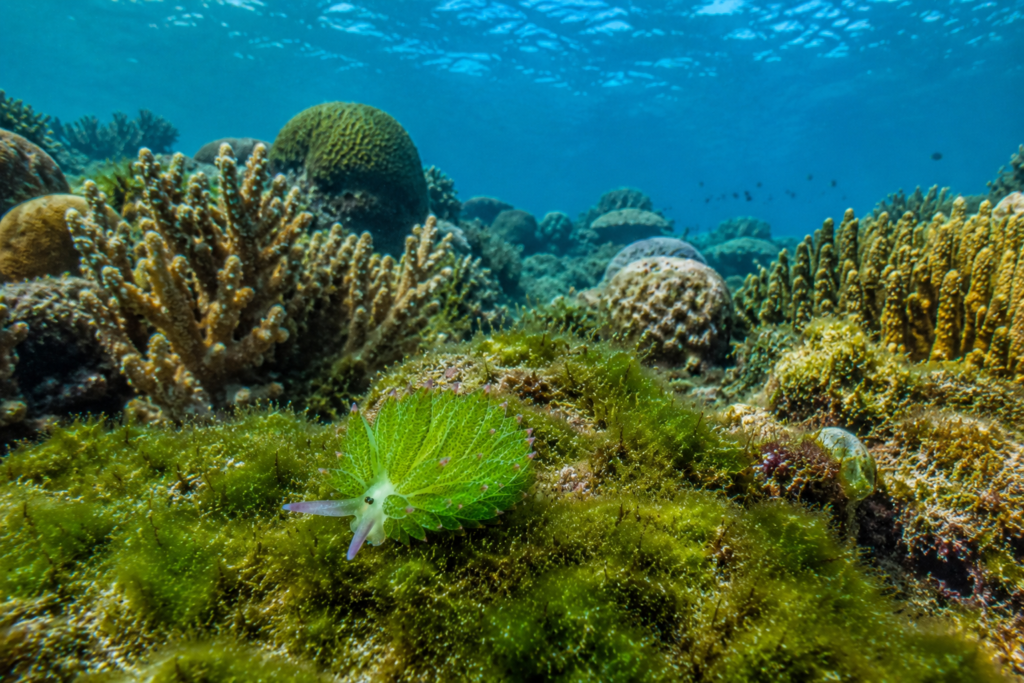
One of the primary habitats for leaf sheep is coral reefs. Healthy algae continue to grow on these reefs in every season.
These reefs provide tiny hiding spots through their natural structure. It provides protection against predators for leaf sheep.
Algae-Covered Rocks
Numerous leaf sheep live on algae-covered rocky surfaces. Food is easily available on these algae-covered rocks.
These algae-covered rocks provide a natural and accessible food source for leaf sheep. Their natural camouflage makes them difficult to notice.
Seagrass Beds
Algae commonly grow on the leaves of seagrass beds. These peaceful areas provide an ideal habitat for leaf sheep.
The slow movement of the water supports easier feeding. This allows leaf sheep to avoid being swept away by powerful waves and currents.
Tidal Pools
Some populations of leaf sheep thrive in shallow tidal pools. High tide leaves these pools full of seawater.
Algae flourish in these pools, allowing leaf sheep to feed consistently.
Rocky Coastal Areas
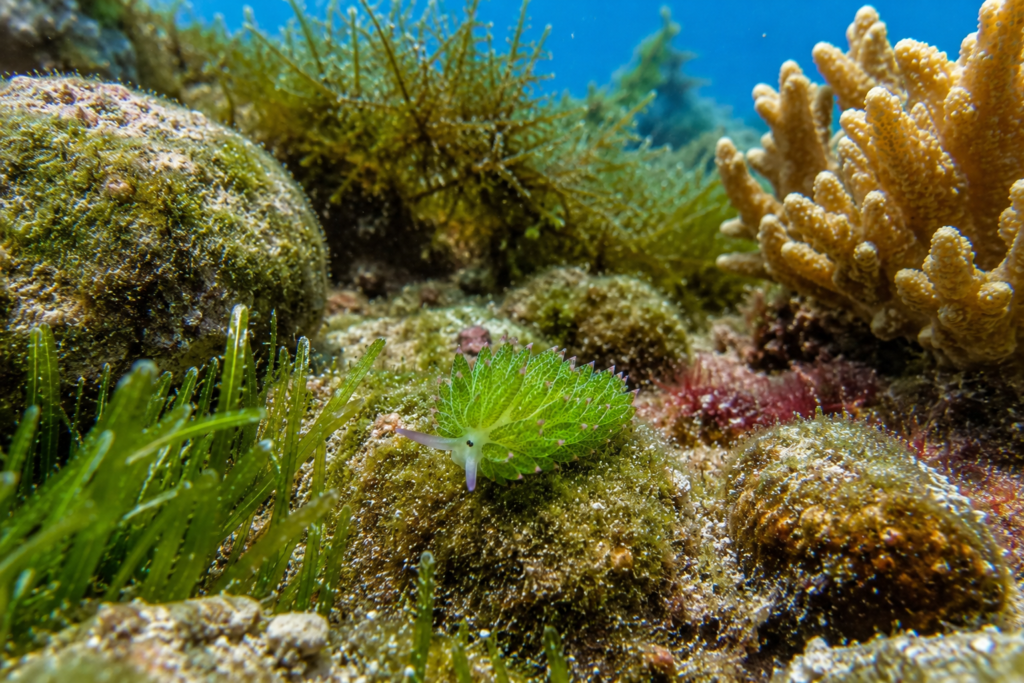
Leaf sheep habitats are found along rocky coastlines with clean seawater.. Warm sunlight and abundant algae provide the conditions they need to live.
These natural habitats combine safe shelter with abundant food resources.
Environmental Conditions Leaf Sheep Need
Leaf sheep habitats continue to flourish only in a suitable and healthy environment. These miniature sea creatures depend on favorable ocean conditions throughout their lives.
Warm Water
Leaf sheep prefer living in warm ocean waters located in tropical and subtropical zones. Their preferred habitats are shallow coastal areas where conditions remain warm and stable all year.
Warm temperatures support the growth and spread of algae. If algae disappear, leaf sheep may struggle to survive over time.
Healthy Algae Growth
Algae form the foundation of the habitats where leaf sheep live. These algae provide leaf sheep with food as well as chloroplasts retained inside their bodies.
Researchers have named this process kleptoplasty. This process gives leaf sheep a limited ability to benefit from sunlight, but they still need algae as their main food source.
Clean Ocean Water
Leaf sheep thrive in clean marine habitats where pollution levels remain low. When water quality declines, algae growth may decrease, and leaf sheep habitats can be affected.
Nearby coral reefs and seagrass beds may suffer from pollution caused by waste, chemicals, and other harmful materials.
Sunlight Availability
Sunlight is an essential part of leaf sheep habitats. Sunlight plays a role in growing algae and supporting the stored chloroplasts within the sea slug.
While leaf sheep are not plants, sunlight helps maintain their remarkable relationship with algae.
How Algae Shape Leaf Sheep Habitats
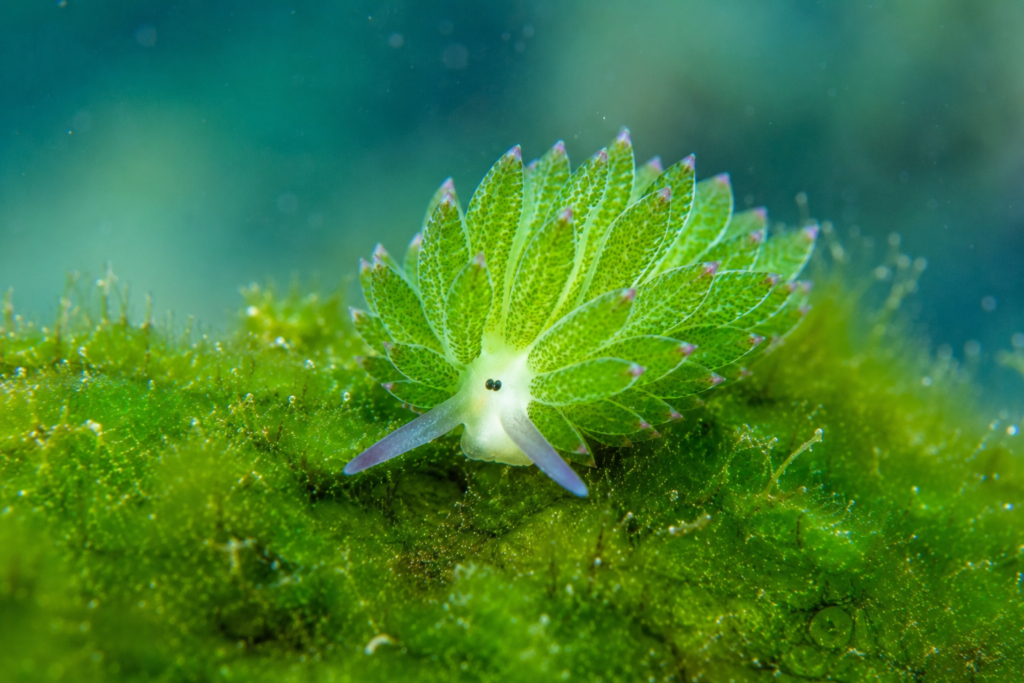
Algae play a central role in creating suitable habitats for leaf sheep. Most of their lives are spent in habitats where the algae they eat are available.
Algae are important because they provide leaf sheep with nourishment and a protective environment.
Main Food Source
The diet of leaf sheep consists largely of certain forms of green algae. These tiny sea slugs use their feeding structures to puncture algae and obtain nutrients.
This diet supplies the nutrients necessary for their growth and reproduction.
Natural Camouflage
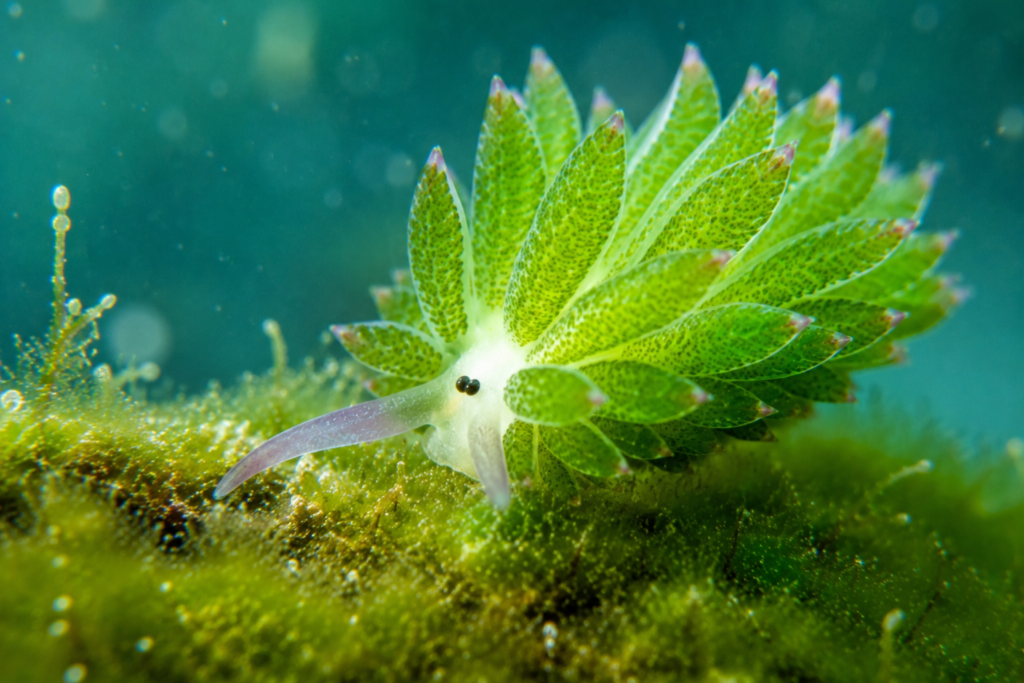
Their natural green color closely matches the algae, making them difficult to notice. Their camouflage makes it easier for them to hide among their surroundings and escape predators.
The resemblance of their cerata to leaves makes these tiny sea slugs extremely difficult to detect.
Kleptoplasty and Sunlight
After their algae meals, leaf sheep hold onto chloroplasts that become stored inside their cells. This remarkable ability is known among scientists as kleptoplasty.
The retained chloroplasts help leaf sheep capture energy from sunlight temporarily, making this sea slug one of the few animals with such an adaptation.
Threats to Leaf Sheep Habitats
Leaf sheep habitats are affected by multiple environmental challenges that may reduce their chances of survival. Since algae and clean coastal habitats are essential for leaf sheep, small environmental disturbances can affect them.
Ocean Pollution
One of the most serious environmental concerns for leaf sheep habitats is marine pollution. Waste materials, toxic substances, and other pollutants can harm ocean ecosystems and interfere with algae growth.
If their algae supply disappears, leaf sheep may struggle to obtain the nutrients needed for survival.
Climate Change
Climate change is another factor that can affect the survival of leaf sheep habitats. Ocean warming and changing sea patterns can disturb coral reef ecosystems, algae populations, and other marine creatures.
The survival of leaf sheep depends on marine environments that remain healthy and stable.
Coral Reef Damage
Coral reefs provide shelter and support algae growth in many leaf sheep habitats. Damage from people, pollution, and increasing sea temperatures may cause these environments to shrink.
Damage from people, pollution, and increasing sea temperatures may cause these environments to shrink.
Habitat Destruction
Natural ocean habitats can be damaged by coastal expansion and unsafe fishing practices. If rocky shores, coral reefs, and seagrass areas are destroyed, leaf sheep lose their natural feeding and hiding locations.
The preservation of coastal areas is vital for maintaining suitable habitats for leaf sheep.
Why Protecting Leaf Sheep Habitats Matters
Leaf sheep habitats need protection because these tiny animals are part of important and interconnected marine systems. Although leaf sheep are tiny, they play a role in maintaining the natural balance of marine environments.
Marine ecosystems remain productive when they support organisms that rely on algae growth, coral reefs, and coastal environments.
Conservation of marine ecosystems plays an important role in safeguarding habitats used by leaf sheep and countless species. Protecting these environments requires efforts such as lowering pollution, preserving reefs, and maintaining healthy oceans.
Realistic underwater scene showing a healthy coral reef and algae ecosystem with a tiny green Leaf Sheep sea slug, natural ocean lighting, crystal-clear water, conservation theme, ultra-realistic photography, no text.
Where do leaf sheep naturally live?
Leaf sheep are naturally found in warm, shallow waters across the Indo-Pacific region. They are often found near algae-covered reefs, rocky surfaces, and coastal marine habitats.
Do leaf sheep only live in Japan?
No, leaf sheep are found in regions beyond Japan as well. Leaf sheep are also found in Indonesia, the Philippines, and various other warm regions across the Indo-Pacific.
What do leaf sheep eat in their habitat?
Leaf sheep primarily feed on green algae. Leaf sheep absorb chloroplasts from algae while eating, a unique adaptation known as kleptoplasty.
Can leaf sheep survive outside the ocean?
No, leaf sheep require marine environments for their survival. They rely on seawater conditions, algae, and specialized habitats that are difficult to reproduce outside the ocean.
Why are healthy algae important for leaf sheep?
Leaf sheep use algae not only as food but also as a source of chloroplasts through kleptoplasty. If algae disappeared, leaf sheep would lose the main food source that supports their survival.